Florida Mediation Services
Personal injury and civil mediation services led by Curt Truitt, bringing decades of Florida trial experience to the resolution of complex disputes.
Curtright C. Truitt, Esquire - FLA. Bar No. 373974 - FLA. Supreme Court Certified Circuit Court Mediator - FLA. Qualified Arbitrator - Mediator Certification No. 35299 R
Resolving Civil Disputes Through Experienced Mediation
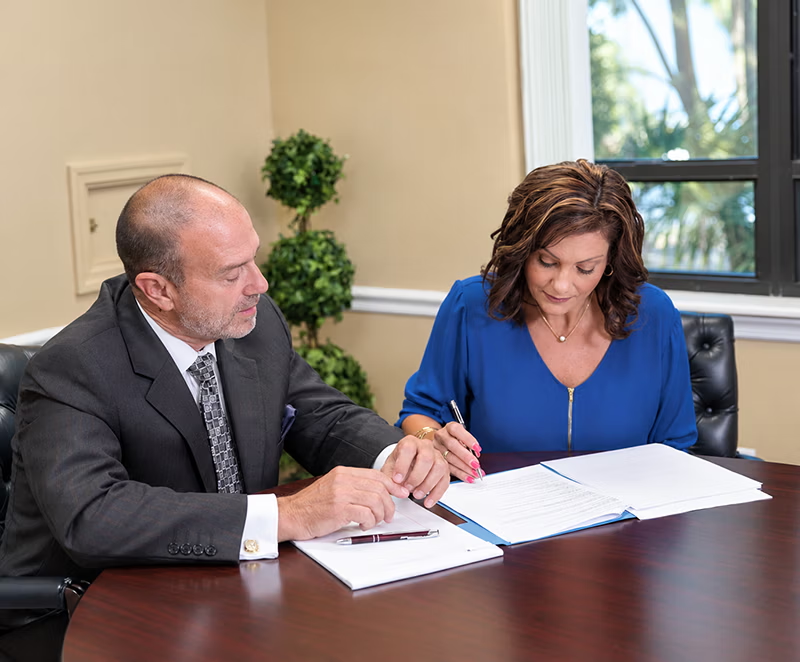
Mediation provides an opportunity to resolve disputes through structured negotiation without leaving the outcome entirely to a judge or jury. With extensive experience in personal injury litigation, Curt Truitt helps attorneys and their clients evaluate disputed issues, consider potential outcomes, and explore meaningful settlement opportunities.
As a Florida Supreme Court Certified Circuit Court Mediator and former Board Certified Civil Trial Attorney, Curt brings decades of courtroom experience to the mediation process. His practice focuses primarily on personal injury matters, including wrongful death, while also handling other civil disputes throughout Florida.
Based in Fort Myers, Truitt Legal offers mediation conferences statewide through Zoom, making it easier for attorneys, insurers, and participants to attend from different locations.
Why Experience Matters in Mediation

With more than four decades of civil litigation experience and approximately 75 jury trials, Curt Truitt understands the challenges attorneys and their clients face when evaluating liability, damages, and the uncertainties of trial.
As a Florida Supreme Court Certified Circuit Court Mediator and Qualified Arbitrator, Curt brings that courtroom experience to the negotiating table while maintaining the impartiality essential to effective mediation.
Mediation Services for Civil Litigation
Civil disputes can involve complicated legal questions, competing accounts of events, financial considerations, and significant uncertainty about what may happen if a case proceeds to trial.
Mediation gives participants an opportunity to address those issues in a structured environment while retaining control over whether to settle.
Truitt Legal provides mediation services across several areas of civil litigation.
Personal Injury Mediation
Experienced mediation for personal injury claims involving disputed liability, medical evidence, insurance considerations, and damages.
Wrongful Death Mediation
A thoughtful, impartial approach to resolving wrongful death claims involving complex liability questions and significant damages.
Mediation is a structured negotiation process in which a neutral third party helps participants communicate, evaluate their positions, and explore settlement possibilities. Unlike a judge or arbitrator, a mediator does not impose a decision.
Although the process varies depending on the case, the participants, and whether mediation has been ordered by a court, most civil mediation conferences involve several general stages.
>>
Scheduling and Selecting a Mediator
The parties may agree to mediation voluntarily, or mediation may be ordered during pending litigation. When selecting a mediator, attorneys and participants generally consider the mediator's qualifications, experience, availability, and familiarity with the type of dispute involved.
Once a date is established, the participants can coordinate the necessary arrangements for the conference.
>>
Preparing for the Conference
Preparation is an important part of productive mediation. Attorneys and their clients should understand the disputed issues, assess the evidence, consider the potential outcomes of continued litigation, and identify their settlement objectives.
Depending on the case, the mediator may receive confidential mediation summaries or other relevant materials in advance.
>>
Opening the Mediation
At the beginning of the conference, the mediator typically explains the process, addresses confidentiality and participation expectations, and helps establish how discussions will proceed.
Some conferences include an opening joint session, while others move directly into separate discussions. The approach depends on the circumstances and what is likely to support productive negotiations.
>>
Evaluating the Issues and Negotiating
During mediation, participants may meet jointly or separately with the mediator. These separate discussions, often called caucuses, allow parties to explore concerns, evaluate possible outcomes, and discuss settlement options.
The mediator may ask questions about the strengths and weaknesses of each position, the costs and risks of continued litigation, and possible ways to resolve the dispute.
>>
Reaching an Agreement or Determining Next Steps
When the parties reach a settlement, the terms are generally documented in a written agreement. The legal effect and enforceability of that agreement depend on terms and applicable law.
If mediation concludes without a full settlement, the parties may continue litigation, pursue additional negotiations, or consider other available dispute resolution procedures.
Even when a complete agreement is not reached, mediation may help narrow disputed issues and clarify what is preventing resolution.
Statewide Florida Mediation via Zoom
Attorneys, insurance representatives, business owners, and other participants are not always located in the same city. Coordinating an in-person conference can introduce travel expenses, scheduling complications, and unnecessary time away from work.
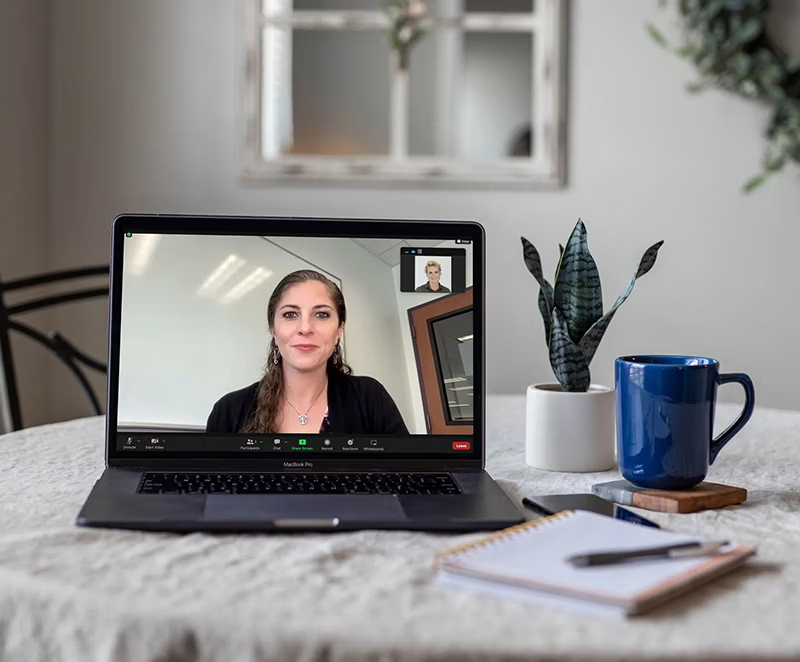
Truitt Legal offers remote mediation conferences through Zoom, allowing participants to attend from different locations throughout Florida when remote participation is appropriate for the matter.
Virtual mediation can accommodate joint discussions and private breakout rooms, giving the mediator flexibility to communicate with participants separately when needed.
For attorneys managing cases across multiple Florida jurisdictions, this approach can simplify scheduling while preserving the structured negotiation process.
Curt's office is located in Fort Myers, but his mediation practice is not limited to Lee County or Southwest Florida.
Mediation vs. Arbitration: Understanding the Difference
Mediation and arbitration are both forms of alternative dispute resolution, but they serve different purposes.
In mediation, the neutral mediator facilitates negotiation. The parties decide whether to accept a settlement, and the mediator does not issue a ruling on the merits of the dispute.
In arbitration, an arbitrator considers the parties' presentations and issues a decision or award under the applicable procedure. Depending on whether the arbitration is binding or non-binding, the legal consequences and available next steps can differ substantially.
Mediation is generally appropriate when the parties want to explore a negotiated resolution. Arbitration may be appropriate when a decision from a neutral third party is needed.
Truitt Legal provides both mediation and arbitration services, allowing attorneys and participants to select the dispute resolution process appropriate to their circumstances.
Preparing for a Productive Mediation Conference
A successful mediation process begins before the conference itself. Participants who arrive with a clear understanding of the issues and realistic expectations are better positioned to evaluate potential settlement opportunities.
Attorneys and their clients should review the relevant facts, supporting documents, legal arguments, and any evidence that could materially affect the outcome of the dispute.
It is also important to consider the potential costs, delays, and uncertainties associated with continued litigation. These considerations may influence how the parties evaluate proposed settlement terms.
Where appropriate, participants should confirm that individuals with the necessary settlement authority will be available during the conference. Specific attendance and authority requirements may also apply under Florida law, court orders, or applicable procedural rules.
Finally, parties should approach mediation prepared to listen, consider alternatives, and evaluate proposals on their merits. Mediation does not require participants to abandon their positions, but meaningful negotiation generally requires an understanding of the risks and practical considerations facing everyone involved.
Mediation may be voluntary or court-ordered, depending on the circumstances of the dispute. Florida courts have authority to refer certain civil matters to mediation, and applicable rules or court orders may establish participation and attendance requirements.
In other situations, parties choose mediation independently because they want to explore settlement before initiating litigation or before a case progresses further.
Being required to participate in mediation does not ordinarily mean a party is required to accept a settlement. The mediator facilitates discussions, but the participants retain decision-making authority over any negotiated agreement.
Attorneys should review the applicable court order and procedural requirements when preparing for court-ordered mediation.
Florida law generally provides confidentiality protections for mediation communications, subject to statutory exceptions and other applicable legal requirements.
Confidentiality can encourage participants to discuss settlement possibilities and evaluate their positions without treating every negotiation statement as part of a public courtroom presentation.
However, confidentiality is not absolute, and participants should understand the exceptions that may apply to their particular circumstances.
The mediator can explain the general structure of the process, while the parties' attorneys can advise them about the legal protections and obligations relevant to their case.
Yes. Many civil mediation conferences can be conducted remotely through Zoom when the format is appropriate and any applicable court requirements are satisfied.
Remote mediation allows attorneys, clients, insurance representatives, and other necessary participants to join from different locations without traveling to a central office.
The mediator can use separate virtual meeting rooms to conduct private discussions while maintaining the ability to bring participants together when appropriate.
Before the conference, participants should confirm that they have a reliable internet connection, a private location, and the ability to review and exchange relevant documents securely.
Mediation does not guarantee settlement. If the participants cannot agree on acceptable terms, the conference may conclude without a full resolution.
In pending litigation, the case may continue through the court process, subject to applicable orders and procedural requirements. The parties may also continue settlement discussions or consider other dispute resolution options.
In some cases, mediation helps narrow the disputed issues even when the parties do not reach a complete agreement.
The mediator's role is to facilitate negotiation, not to force a compromise or decide the case.
A settlement reached through mediation can create legally enforceable obligations when it is properly documented and satisfies applicable legal requirements.
In Florida, the enforceability of a mediated agreement depends on factors including the nature of the dispute, the agreement's terms, and the laws and procedural rules governing the matter.
Participants should review proposed settlement terms carefully with their attorneys before signing. Important provisions may address payment, releases, dismissal of litigation, confidentiality, and the timing of required actions.
The mediator facilitates the negotiation but does not serve as legal counsel to either side.
The appropriate participants depend on the type of dispute, whether litigation is pending, and any applicable court orders or procedural rules.
Attendance may include the parties, their attorneys, insurance representatives, business decision-makers, or others whose participation is necessary to evaluate and authorize a settlement.
Florida court-ordered mediation may involve specific requirements concerning attendance and settlement authority.
Attorneys should confirm these obligations before the conference and make arrangements for any necessary participants to attend, whether in person or remotely.
Mediation fees depend on the mediator's fee schedule, the length of the conference, and any applicable scheduling or administrative terms.
The total cost may also be influenced by the complexity of the dispute and the amount of time required for preparation and negotiations.
Before scheduling, attorneys and participants should review the applicable fee schedule and confirm how mediation expenses will be allocated.
Truitt Legal makes its fee schedule available online so participants can review the relevant information before arranging a conference.
Ready to work with Truitt Legal? Schedule your mediation or arbitration today.
Schedule Your Florida Mediation
Whether you are coordinating mediation for an existing lawsuit or exploring resolution of a civil dispute, selecting an experienced neutral is an important part of the process.
Curt Truitt provides mediation services grounded in decades of civil litigation experience, with the convenience of Zoom conferences for participants in Florida.
To discuss availability, review scheduling information, or arrange a mediation conference, contact Truitt Legal.